One of the best things about living in Seoul is, for sure, the food. When people visit from other countries, I don’t recommend many tourist attractions or activities. Instead, I tell them to go places and eat things.
Here is my list of must-eat foods in Korea. They are a fraction of what is available but eating them would give a Korean food newbie a good start.
Note: most of the dishes here include meat and not seafood. That reflects my personal taste. There is a ton of seafood in Korea. If you eat neither meat nor seafood, it will be hard to eat a lot of traditional Korean food. The good news is that the choice of vegetarian and specialty salad restaurants is getting better all the time.
Note 2: I don’t have kimchi on this must-eat-foods-in-Korea list because it’s not usually eaten by itself. It is the most iconic and well-known Korean food. It comes with many meals in Korea, so while in Korea, you will have plenty of chances to eat it!
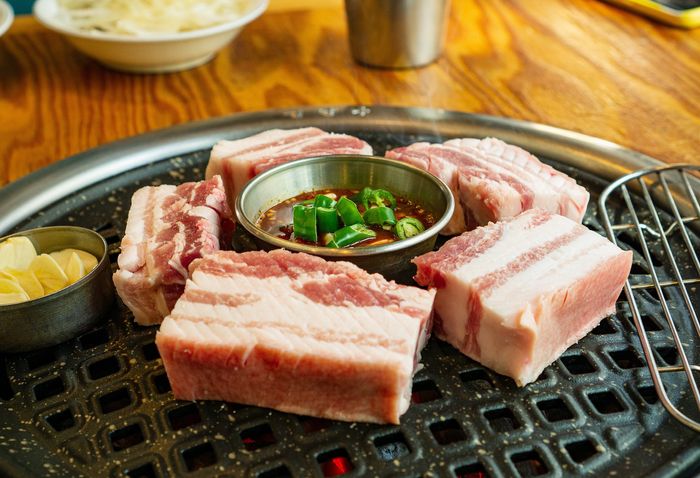
1. BBQ Something
Pork is my choice, particularly samgyeopsal (three-layered pork belly) or ogyeopsal (five-layered pork belly). There are many other options. So-gogi (beef) is great (though pricier) and gopchang (intestines) is fantastic for those with an adventurous spirit. An alternative pork with less fat is galmaegisal (pork skirt).
Barbeque is a good place to start because you will also get to eat banchan (side dishes) and possibly deonjang-jjigae (soybean paste stew). It’s also a good time to try soju if you like bad alcohol.
Korean BBQ is probably available in your home country, but it’s not quite the same.
2. Bibimbap 비빔밥
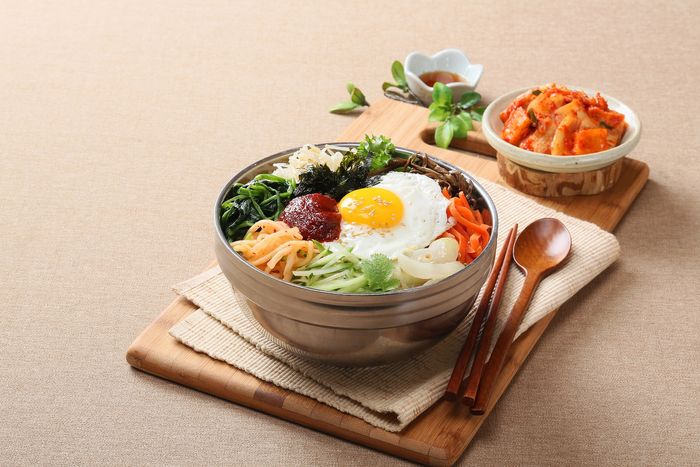
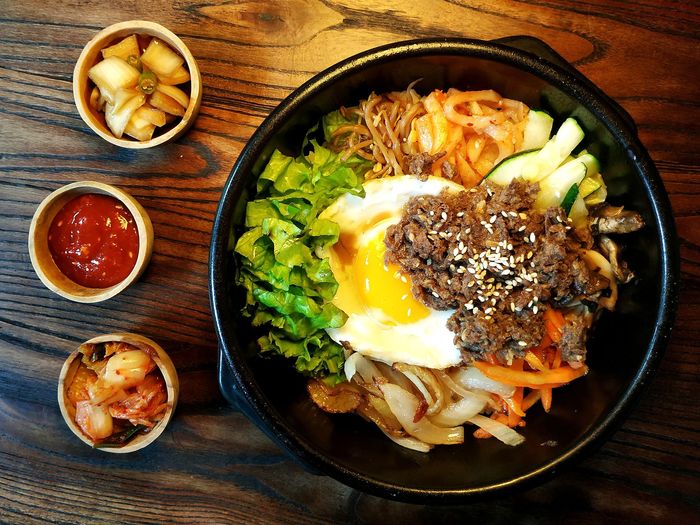
Bibimbap feels like a balanced meal. The basic version has meat, warm white rice, and vegetables, and some places will hand you the bottle of gochujang (red chili sauce) so you can control how spicy it is. There are also versions of bibimbap without meat or with seafood instead, depending on the establishment.
Eating bibimbap is also a chance to eat from a stone pot if you choose dolsot bibimbab - a very Korean experience. The stone pot keeps the meal hot for longer, but some people prefer a cooler meal from a stainless-steel bowl.
3. Kimchi-jeon 김치전
Kimchi-jeon (kimchi fritter) and other fritters are large savory pancakes that you pull apart with chopsticks. Kimchi is my favorite type for its combination of salty and sour flavors. They are often eaten with rice wine (makgeolli or dongdongju).
4. Dak-galbi 닭갈비
This is spicy stir-fried chicken. The level of spiciness varies. I’m someone who likes spicy, but not extremely spicy food, and this is usually perfect. I like to add cheese, deok (rice cake), and sweet potato.
It’s common to add rice when you have finished eating most of the meat. The rice mixes with the sauce, and some of it hardens and sticks to the pan. The resulting crispy rice is known as nurungji and is delicious. Have fun digging it from the pan with a spoon.
An alternative spicy chicken is jjimdak. It has a few more vegetables and is brown due to soy sauce. I have found both very spicy and completely mild versions of this dish.
5. Gamja-tang 감자탕
There are milder tangs in Korea. Seollangtang and gomtang are mild beef broth soups. Samgyetang is a boiled chicken stuffed with ginseng and rice and is also mild. I choose gamja-tang as a must-eat food though. It is pork backbone stew with a spicy and deep taste. Inside you will find pork still on the bone, perilla leaves, and a few noodles. You might also find potato, though according to some, this is not how the dish gets its name (although gamja does mean potato in Korean).
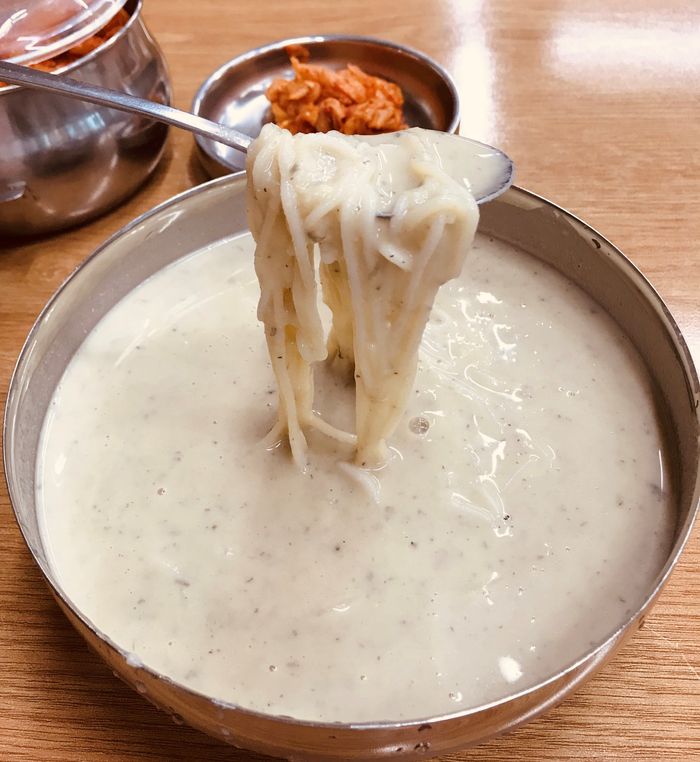
6. Kong-guksoo 콩국수
It was a while before I knew about this dish, and I’m not sure why. It’s unlike anything else I have eaten, and these days I love it. It’s noodles in cold milky soybean soup. You can adjust the taste with salt and sugar. I prefer it a bit sweet.
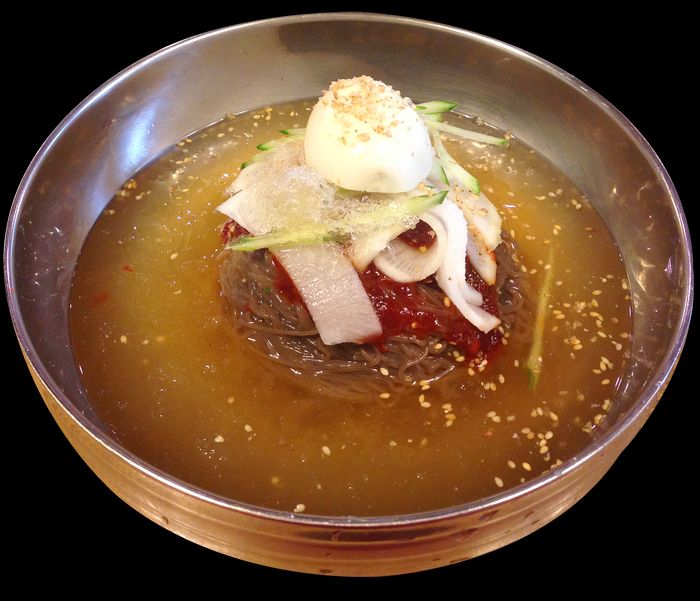
7. Mul-neangmyeon 물냉면
This is another cold noodle soup dish, but with a quite different taste. The soup is vinegar flavored, with a bit of cucumber and mustard. It’s very refreshing in summer, though I read somewhere that this was originally a winter dish.
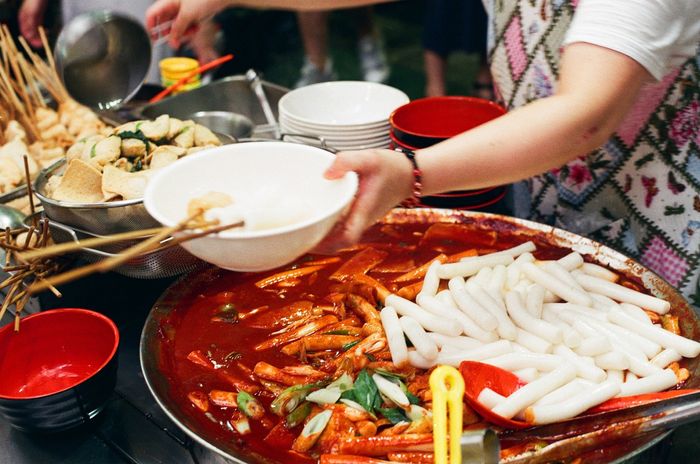
8. Tteokbokki 떡볶이
I didn’t really like this dish initially, but the love Koreans have for it has rubbed off on me. It’s the most eye-catching street food - a large rectangular cooking pan filled with spicy red sauce and rice cakes - and although you can buy it indoors, I recommend the street variety. Standing and eating tteokbokki from a small stall is a quintessential Korean experience. It’s common to order it with deep-fried food (twigim) either mixed in or alongside. Help yourself to some fishy broth to complete the experience. Oh, and it’s cheap.
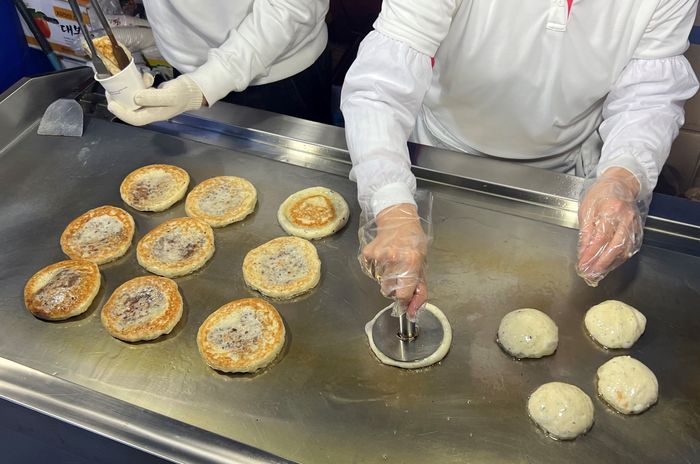
9. Hotteok 호떡
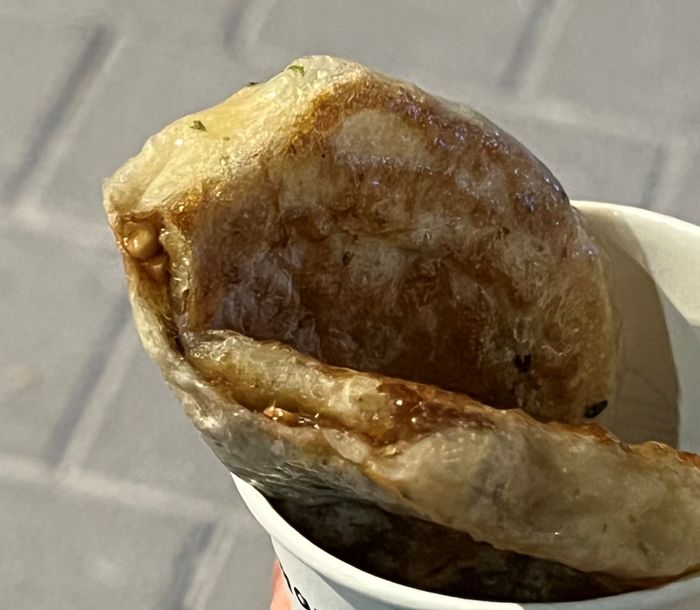
This is another cheap street food. It could be hard to find in summer. It’s a fritter filled with sugar and cinnamon. The sugar turns syrupy hot, so be careful you don’t burn yourself.
Chinese, Japanese, and American are the best represented foreign foods in Korea. There are tons of good burger, pizza, and sushi restaurants. Fried chicken is also beloved and represented by several home-grown chains. They are definitely worth trying, but my final must-eat food in Korea is one that was developed by immigrants from China in Incheon about 100 years ago.
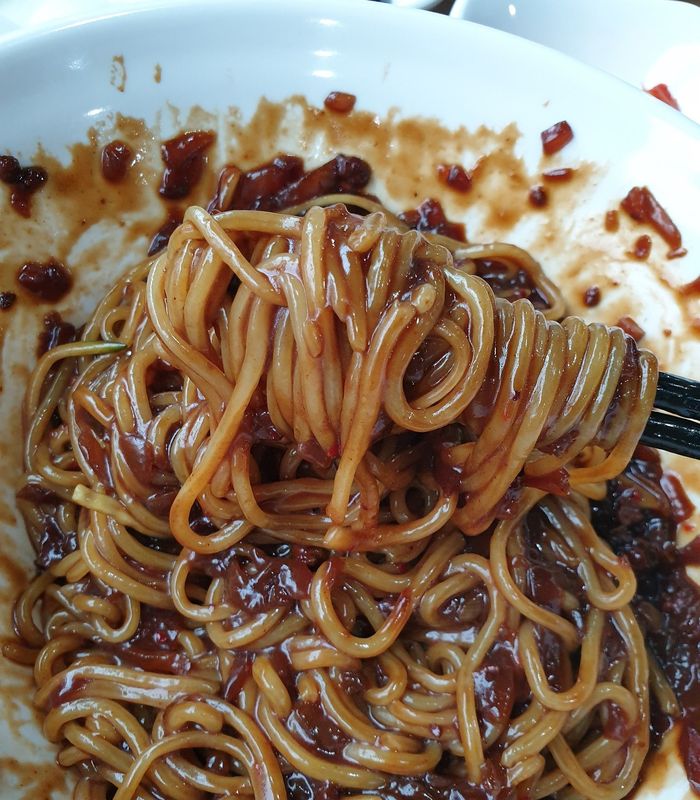
10. Jajangmyeon 자장면
This is noodles in a thick black sauce, and it’s very popular. Because it originated from Chinese cooking, it is served in Chinese restaurants. It’s a common delivery order for Koreans too, and for some reason they tend to eat it on days when they move house.